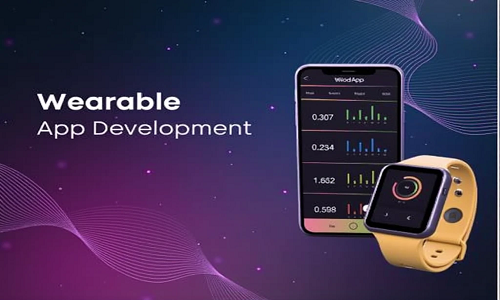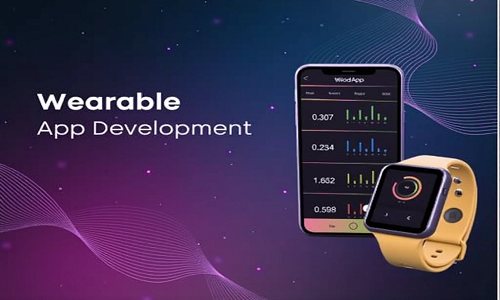
Wearable technology has revolutionized the way we interact with the digital world. From smartwatches to fitness trackers, these devices have become an integral part of our daily lives. To cater to the growing demand for wearable devices, app developers are constantly innovating to create engaging and functional apps.
Understanding Wearable App Development
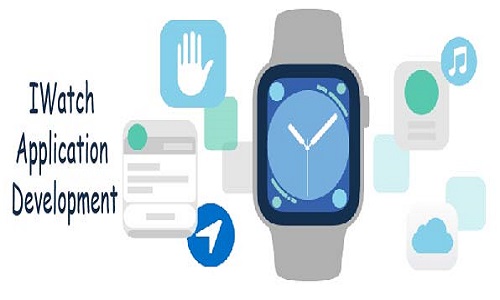
Wearable app development involves designing, developing, and deploying software applications specifically tailored for wearable devices. These apps often have unique constraints and opportunities compared to traditional mobile apps.
Key Considerations for Wearable App Development
User Experience (UX):
Minimalistic Design: Prioritize simplicity and clarity in the user interface.
Intuitive Interactions: Design interactions that are easy to learn and use, often relying on gestures and voice commands.
Contextual Awareness: Adapt the app's behavior to the user's current context, such as activity level or location.
Performance Optimization:
Battery Efficiency: Minimize power consumption through efficient coding practices and background task management.
Smooth Performance: Ensure fluid and responsive interactions, even on resource-constrained devices.
Platform Compatibility:
Diverse Platforms: Consider compatibility with various wearable platforms, including Apple Watch, Wear OS, and Tizen.
Platform-Specific Features: Leverage platform-specific features to enhance the user experience.
Data Security and Privacy:
Secure Data Transmission: Implement robust security measures to protect sensitive user data.
Privacy-Conscious Design: Collect and process only necessary data, and obtain user consent.
Popular Wearable App Development Tools and Technologies
Android Wear OS: Google's platform for building apps for Wear OS devices.
Apple WatchOS: Apple's platform for building apps for Apple Watch.
Tizen: Samsung's platform for building apps for Samsung wearable devices.
React Native: A popular framework for building cross-platform apps, including wearable apps.
Flutter: Google's UI toolkit for building beautiful, natively compiled applications for mobile, web, and desktop.
Future Trends in Wearable App Development
Advanced Health Monitoring: Apps that track vital signs, sleep patterns, and stress levels.
Augmented Reality (AR) and Virtual Reality (VR) Integration: Immersive experiences for fitness, gaming, and education.
AI-Powered Personalization: Tailored recommendations and insights based on user behavior.
Biometric Authentication: Secure access to devices and apps using fingerprint, facial recognition, or other biometric methods.
Conclusion
Wearable app development offers exciting opportunities to create innovative and impactful applications. By understanding the unique challenges and leveraging the latest technologies, developers can build apps that enhance users' lives in meaningful ways.