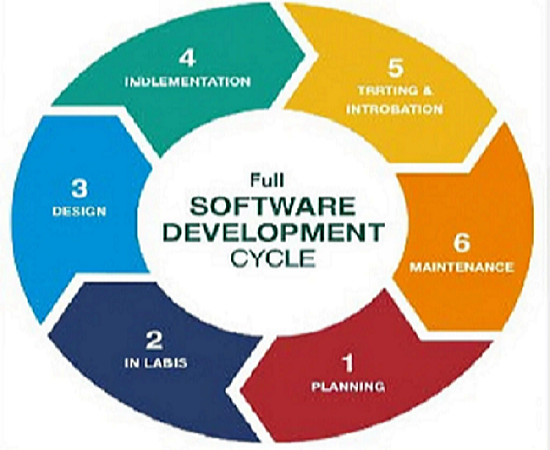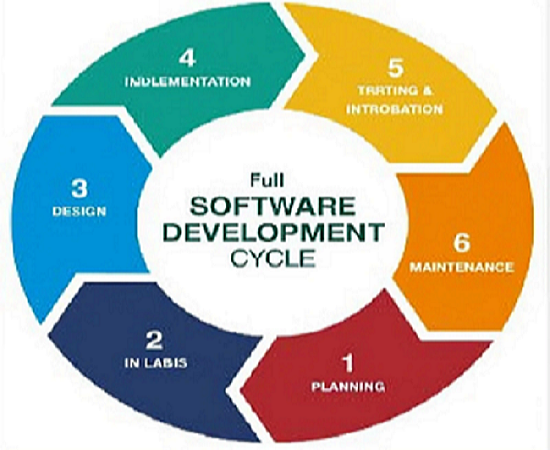
Full-cycle software development is a comprehensive process encompassing all stages of a software product's lifecycle, from inception to retirement. It involves a systematic approach to designing, developing, testing, deploying, and maintaining software applications.
Requirement Gathering and Analysis:
Eliciting Requirements: Understanding the client's needs and expectations.
Documenting Requirements: Creating detailed functional and non-functional requirements.
Analyzing Requirements: Identifying potential challenges and risks.
Design and Architecture:
System Design: Designing the overall system architecture.
Database Design: Designing the database schema to store data efficiently.
User Interface (UI) Design: Designing the user interface to ensure a seamless user experience.
User Experience (UX) Design: Designing the user experience to make the product intuitive and easy to use.
Development and Coding:
Coding: Writing code to implement the design.
Testing: Unit testing, integration testing, and system testing to ensure quality.
Debugging: Identifying and fixing errors in the code.
Testing and Quality Assurance:
Functional Testing: Testing the software to ensure it meets functional requirements.
Performance Testing: Testing the software's performance under various load conditions.
Security Testing: Testing the software's security vulnerabilities.
Usability Testing: Testing the software's usability and user experience.
Deployment and Deployment:
Deployment Planning: Planning the deployment strategy.
Deployment Execution: Deploying the software to production environments.
Post-Deployment Verification: Verifying the software's functionality in the production environment.
Maintenance and Support:
Bug Fixes: Fixing bugs and errors reported by users.
Feature Updates: Adding new features and functionalities.
Security Patches: Applying security patches to address vulnerabilities.
Technical Support: Providing support to users.
Agile Development: Using agile methodologies like Scrum or Kanban to deliver software iteratively.
Continuous Integration and Continuous Delivery (CI/CD): Automating the build, test, and deployment processes.
Version Control: Using version control systems like Git to manage code changes.
Code Review: Conducting regular code reviews to improve code quality and identify potential issues.
Testing Automation: Automating tests to accelerate the testing process.
Security Best Practices: Implementing security measures to protect the software and user data.
User-Centric Design: Designing software with the user in mind.