Service Details
Logo Designing
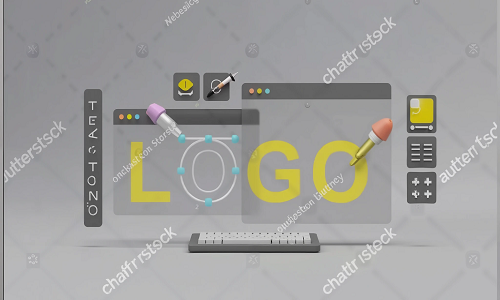
A logo is more than just a graphic; it’s the face of your brand and the first impression for potential customers. At Hamood Tech, we understand the importance of creating logos that are unique, memorable, and aligned with a brand’s core values. This guide explores the key elements of effective logo design and how Hamood Tech approaches each project to craft logos that leave a lasting impact.
1. Understanding Brand Identity
- Define your brand’s mission, values, and unique selling points (USPs).
- Analyze the target audience to understand what will resonate visually with them.
- Identify design elements that align with your brand’s personality, such as style, tone, and color.
2. The Logo Design Process
- Research: Gather insights about competitors and industry trends to create a unique logo.
- Concept Development: Generate initial sketches and concepts that explore different ideas.
- Refinement: Select the most promising concepts and refine them based on brand alignment and feedback.
- Finalization: Polish the design, select final colors, and deliver a high-quality logo in various formats.
3. Essential Elements of a Successful Logo
- Simplicity: A simple design ensures versatility and makes the logo easy to recognize and remember.
- Relevance: Choose elements, symbols, and colors that are relevant to your industry and brand.
- Memorability: Craft a unique and striking design that stands out and leaves a lasting impression.
- Timelessness: Aim for a design that won’t feel outdated as trends change over time.
- Versatility: Ensure that the logo looks good across various mediums, from websites to business cards and beyond.
4. The Role of Color Theory in Logo Design
- Colors evoke specific emotions; for example, blue often signifies trust and professionalism, while red represents passion and energy.
- Use color to convey your brand’s message and personality, ensuring it aligns with your target audience’s expectations.
- Keep the color palette simple and cohesive to avoid overwhelming the design.
5. Choosing the Right Typography
- Select fonts that complement the logo design and reinforce the brand’s tone, whether it’s modern, traditional, playful, or formal.
- Use custom typography when possible to make the logo unique and tailored to your brand.
- Ensure readability across all platforms, especially in smaller formats.
6. Adding a Personal Touch to the Logo
- Incorporate subtle details or symbols that represent your brand’s story or values.
- Use iconography or imagery that aligns with your business, such as tech elements for an IT brand like Hamood Tech.
- Create a design that reflects your brand's promise and connects emotionally with your audience.
SUBSCRIBE
SUBSCRIBE FOR NEWSLETTER