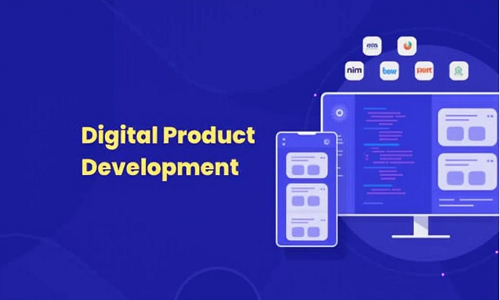
Digital product development is the process of creating and delivering digital products, such as software applications, websites, and mobile apps. It involves a collaborative effort between designers, developers, and product managers to bring an idea to life.
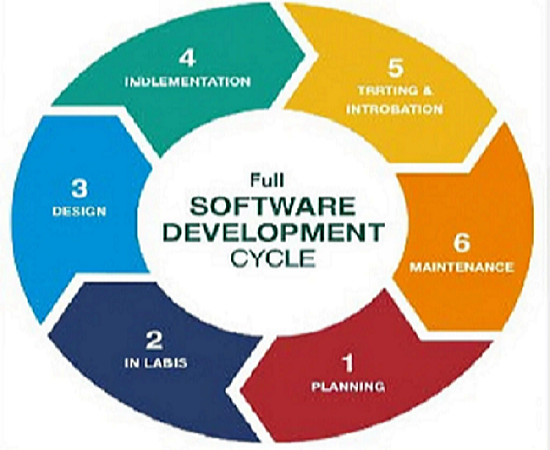
Ideation and Research:
Identifying market needs and opportunities.
Conducting market research to validate the product idea.
Creating user personas to understand the target audience.
Design and Prototyping:
Designing the user interface (UI) and user experience (UX) of the product.
Creating wireframes and mockups to visualize the product's design.
Developing prototypes to test the product's functionality and usability.
Development and Implementation:
Writing code to implement the product's features.
Selecting the appropriate technology stack (programming languages, frameworks, and tools).
Building the product's backend infrastructure (servers, databases, APIs).
Integrating third-party services and APIs.
Testing and Quality Assurance:
Rigorously testing the product to identify and fix bugs.
Conducting user testing to gather feedback and make improvements.
Ensuring the product meets quality standards and performance benchmarks.
Deployment and Launch:
Deploying the product to production environments (e.g., app stores, web servers).
Launching the product to the target audience.
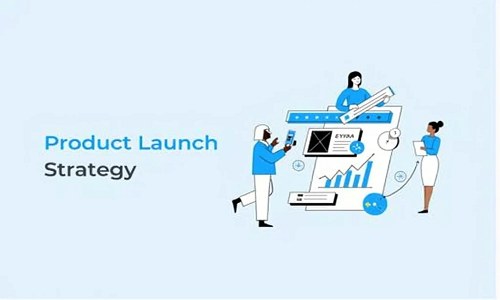
Creating a marketing and launch strategy to generate awareness and drive adoption.
Maintenance and Support:
Providing ongoing support and maintenance to address issues and bugs.
Implementing updates and new features based on user feedback and market trends.
Monitoring the product's performance and making necessary improvements.
User-Centric Design: Prioritize the user experience and create products that are easy to use and intuitive.
Agile Methodology: Adopt agile development practices to deliver products iteratively and respond to changing requirements.
Continuous Integration and Continuous Delivery (CI/CD): Automate the build, test, and deployment processes to accelerate delivery.
Data-Driven Decision Making: Use data analytics to track product performance and make informed decisions.
Security and Privacy: Implement robust security measures to protect user data and prevent cyberattacks.
Accessibility: Design products that are accessible to users with disabilities.
By following these key stages and considerations, you can develop high-quality digital products that deliver value to your users and achieve business goals.
Digital product development is the process of creating and delivering digital products, such as software applications, websites, and mobile apps. It involves a collaborative effort between designers, developers, and product managers to bring an idea to life.
Ideation and Research:
Identifying market needs and opportunities.
Conducting market research to validate the product idea.
Creating user personas to understand the target audience.
Design and Prototyping:
Designing the user interface (UI) and user experience (UX) of the product.
Creating wireframes and mockups to visualize the product's design.
Developing prototypes to test the product's functionality and usability.
Development and Implementation:
Writing code to implement the product's features.
Selecting the appropriate technology stack (programming languages, frameworks, and tools).
Building the product's backend infrastructure (servers, databases, APIs).
Integrating third-party services and APIs.
Testing and Quality Assurance:
Rigorously testing the product to identify and fix bugs.
Conducting user testing to gather feedback and make improvements.
Ensuring the product meets quality standards and performance benchmarks.
Deployment and Launch:
Deploying the product to production environments (e.g., app stores, web servers).
Launching the product to the target audience.
Creating a marketing and launch strategy to generate awareness and drive adoption.
Maintenance and Support:
Providing ongoing support and maintenance to address issues and bugs.
Implementing updates and new features based on user feedback and market trends.
Monitoring the product's performance and making necessary improvements.
User-Centric Design: Prioritize the user experience and create products that are easy to use and intuitive.
Agile Methodology: Adopt agile development practices to deliver products iteratively and respond to changing requirements.
Continuous Integration and Continuous Delivery (CI/CD): Automate the build, test, and deployment processes to accelerate delivery.
Data-Driven Decision Making: Use data analytics to track product performance and make informed decisions.
Security and Privacy: Implement robust security measures to protect user data and prevent cyberattacks.
Accessibility: Design products that are accessible to users with disabilities.
By following these key stages and considerations, you can develop high-quality digital products that deliver value to your users and achieve business goals.