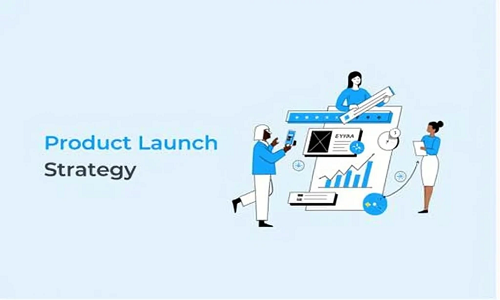
A successful product launch requires meticulous planning and execution. A well-crafted product launch strategy can significantly impact a product's market success. This post explores the key elements to consider when developing a product launch strategy.
Market Research:
Target Audience: Identify your ideal customer.
Competitor Analysis: Understand your competitors' strengths and weaknesses.
Market Trends: Stay informed about industry trends and consumer preferences.
Product Positioning:
Unique Selling Proposition (USP): Clearly articulate what sets your product apart.
Brand Messaging: Develop a strong brand identity and messaging.
Product Positioning: Determine how your product fits into the market.
Pricing Strategy:
Cost-Based Pricing: Base pricing on production costs and desired profit margin.
Value-Based Pricing: Price based on perceived value and customer willingness to pay.
Competitive Pricing: Set prices in line with competitors' offerings.
Distribution Strategy:
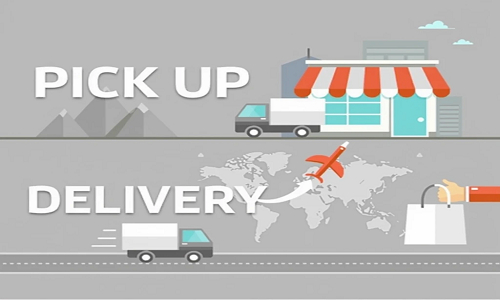
Direct Sales: Sell directly to customers.
Indirect Sales: Use retailers or distributors.
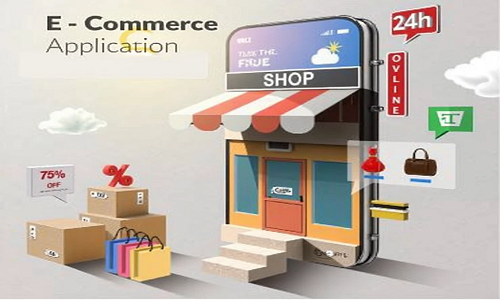
E-commerce: Sell online through your own website or marketplaces.
Promotional Strategy:
Pre-Launch Buzz: Create anticipation and excitement through teaser campaigns.
Launch Event: Host a physical or virtual event to generate buzz.
Public Relations: Leverage media coverage to reach a wider audience.
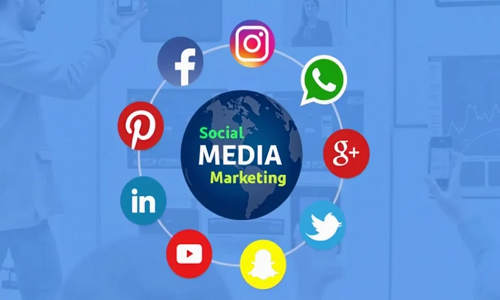
Social Media Marketing: Engage with your target audience on social media.
Content Marketing: Create valuable content to attract and educate potential customers.
Email Marketing: Send targeted email campaigns to your audience.
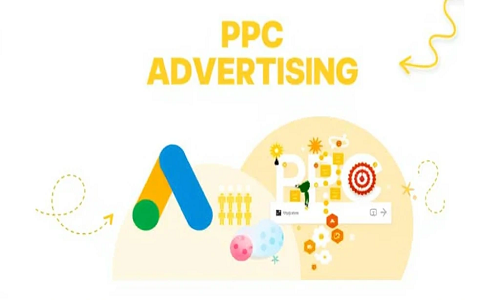
Paid Advertising: Use paid advertising channels like Google Ads and social media ads.
Post-Launch Analysis:
Track Key Metrics: Monitor sales, website traffic, and social media engagement.
Gather Customer Feedback: Use surveys, reviews, and social media to collect feedback.
Make Adjustments: Refine your strategy based on performance data and customer insights.