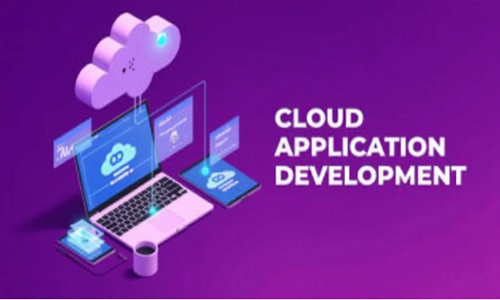
Cloud computing has revolutionized the way applications are developed, deployed, and managed. By leveraging the power of cloud platforms, developers can build scalable, reliable, and cost-effective applications. This post explores the key concepts, technologies, and best practices of cloud application development.
Key Concepts in Cloud Application Development
Infrastructure as a Service (IaaS): Provides fundamental computing resources like servers, storage, and networking.
Platform as a Service (PaaS): Offers a platform for developing, deploying, and managing applications without the complexities of infrastructure management.
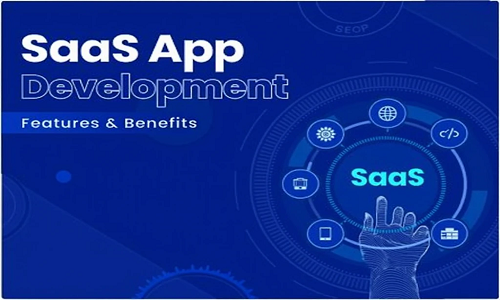
Software as a Service (SaaS): Delivers software applications over the internet, eliminating the need for local installation and maintenance.
Benefits of Cloud Application Development
Scalability: Easily scale applications up or down to meet changing demands.
Reliability: High availability and fault tolerance through redundancy and automated failover.
Cost-Effectiveness: Pay-as-you-go pricing models and reduced infrastructure costs.
Security: Robust security measures and compliance with industry standards.
Faster Time-to-Market: Rapid deployment and updates.
Technologies for Cloud Application Development
Cloud Platforms: AWS, Azure, Google Cloud Platform
Programming Languages: Java, Python, Node.js, Ruby on Rails
Frameworks and Tools: Spring Boot, Django, Angular, React, Docker, Kubernetes
Best Practices for Cloud Application Development
Design for Scalability: Consider future growth and design applications to handle increased load.
Implement Security Best Practices: Protect sensitive data and prevent unauthorized access.
Monitor and Optimize Performance: Continuously monitor application performance and identify bottlenecks.
Leverage Serverless Computing: Utilize serverless functions for event-driven architectures and reduced operational overhead.
Consider a Microservices Architecture: Break down applications into smaller, independent services for better scalability and maintainability.
Future Trends in Cloud Application Development
Serverless Computing: Continued growth in popularity due to its simplicity and cost-effectiveness.
Artificial Intelligence and Machine Learning: Integration of AI and ML capabilities into cloud applications.
Edge Computing: Processing data closer to the source for real-time insights and reduced latency.
Low-Code and No-Code Development: Empowering developers and non-technical users to build applications faster.
Conclusion
Cloud application development offers a powerful and flexible approach to building modern applications. By understanding the key concepts, technologies, and best practices, developers can create scalable, reliable, and innovative solutions that meet the evolving needs of businesses and users.