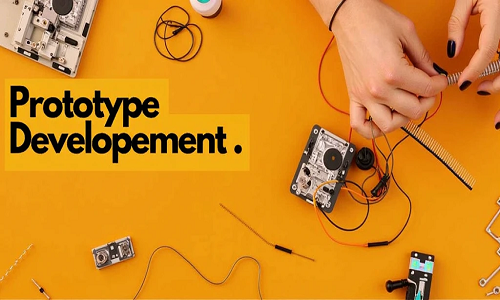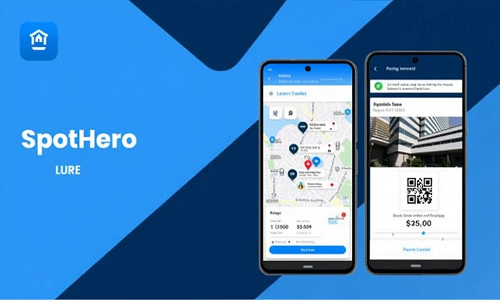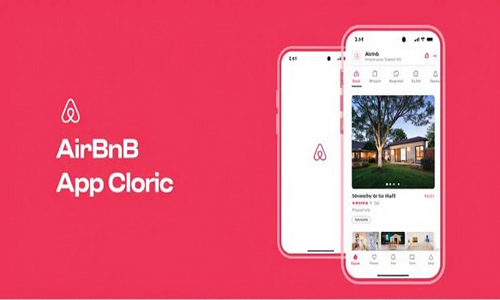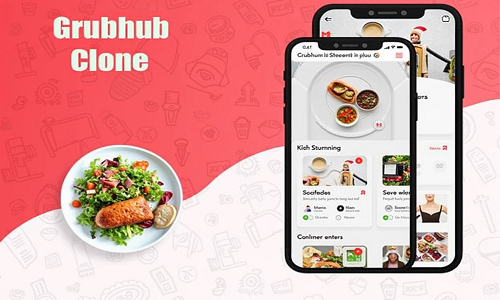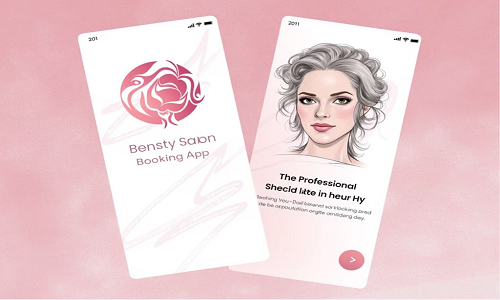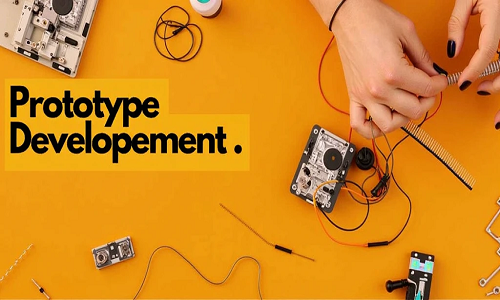
Prototype development is the process of creating a preliminary model of a product or system. It allows designers and developers to visualize and test concepts before investing significant resources into full-scale production.
Low-Fidelity Prototypes:
Paper Prototypes: Simple paper-based models to test basic layout and user flow.
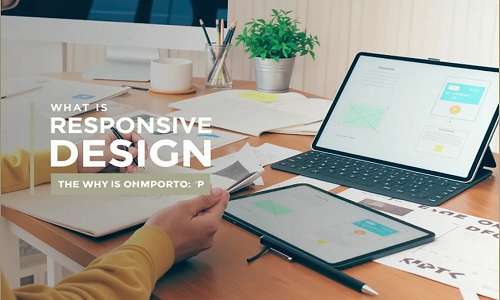
Wireframes: Digital sketches that outline the basic structure and content of a user interface.
High-Fidelity Prototypes:
Interactive Prototypes: Digital prototypes that simulate the final product's functionality and user experience.
Functional Prototypes: Working models that demonstrate the core functionality of the product.
Early Validation: Identify and address issues early in the development process.
Improved User Experience: Gather user feedback to refine the design and usability.
Reduced Development Costs: Avoid costly mistakes by testing concepts before full-scale development.
Accelerated Time to Market: Streamline the development process by identifying and resolving issues early on.
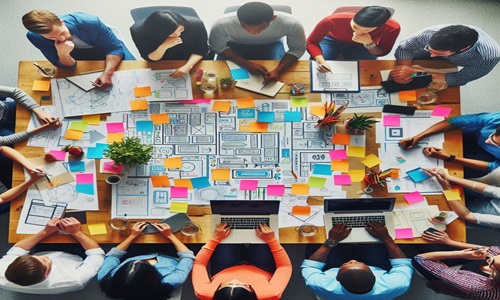
Enhanced Collaboration: Facilitate communication and collaboration among team members.
Focus on Core Functionality: Prioritize the essential features and functionality.
Iterative Design: Continuously refine the prototype based on feedback and testing.
Realistic Expectations: Set realistic expectations for the capabilities of the prototype.
User Testing: Involve users in the testing process to gather valuable insights.
Collaboration: Foster collaboration between designers, developers, and stakeholders.
By effectively utilizing prototyping techniques, businesses can create innovative and user-centric products that meet the needs of their target audience.