In today's digital era, the success of a website hinges largely on its design and usability. HTML (HyperText Markup Language) and CSS (Cascading Style Sheets) form the backbone of web development, enabling developers to craft visually appealing and functional websites.
HTML is the standard markup language used to create web pages. It provides the structure of a webpage, allowing the inclusion of text, images, and other media. Think of HTML as the skeleton of a website—it defines the content and its organization.
CSS, on the other hand, is a style sheet language used for describing the presentation of a document written in HTML. It controls the layout, colors, fonts, and overall visual appeal. If HTML is the skeleton, CSS is the skin and clothes that make the website look attractive.
Foundation of Web Design: Without HTML and CSS, web pages would lack structure and style. These technologies ensure that content is accessible and presented in an aesthetically pleasing manner.
Responsive Design: With the rise of mobile browsing, responsive design is crucial. CSS media queries allow websites to adapt to different screen sizes and devices, providing a seamless user experience.
Customization & Flexibility: CSS offers extensive customization options, from simple color changes to complex animations and transitions. This flexibility allows developers to create unique and engaging websites.
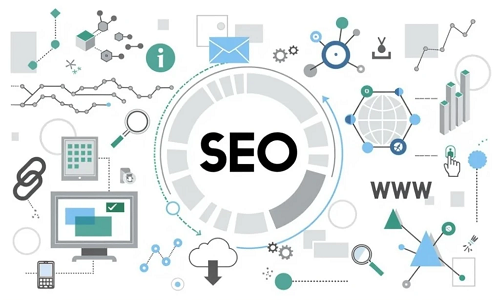
SEO Benefits: Proper use of HTML tags (like headings, alt attributes for images, and meta tags) improves search engine visibility. CSS helps keep HTML code clean and organized, which is beneficial for SEO.
Use Semantic HTML: Semantic elements like <article>, <section>, and <nav> make your HTML more readable and improve accessibility.
External Style Sheets: Keep your CSS in external files to enhance load times and maintain a clean HTML structure.
Responsive Design Principles: Employ flexible grids, fluid images, and media queries to ensure your website looks great on all devices.
Optimize for Performance: Minimize CSS files and use shorthand properties to reduce loading times and enhance user experience.
In conclusion, mastering HTML and CSS is essential for anyone looking to delve into web development. These foundational technologies not only allow you to build visually appealing websites but also ensure they are functional and user-friendly. By adhering to best practices and staying updated with the latest trends, you can harness the full potential of HTML and CSS in your web design projects.






























































































 November 05, 2024 - BY Admin